*हिंदी में पढ़ें: क्या काला मोतिया (ग्लूकोमा) और मोतियाबिंद एक साथ हो सकते हैं? जानिए सच्चाई
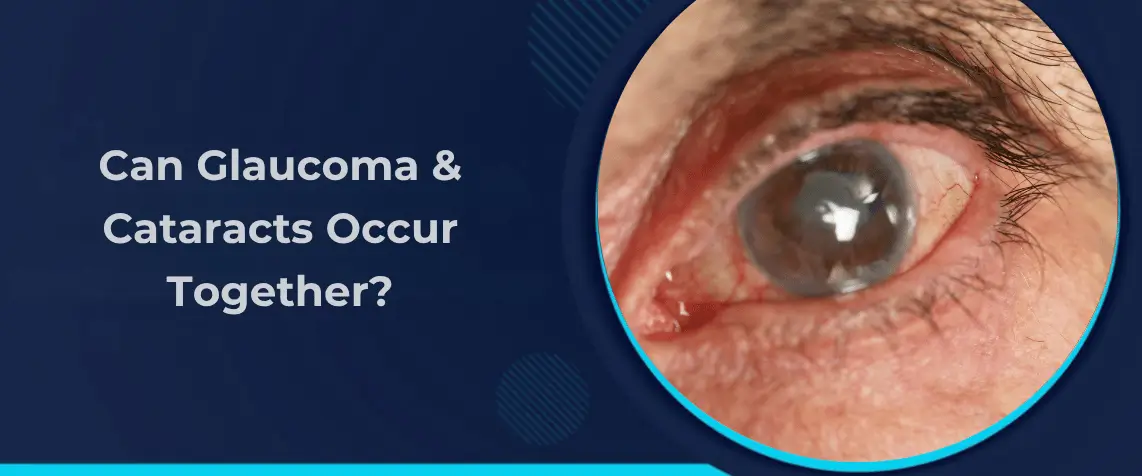
Glaucoma and cataracts are common eye conditions that affect the aging population. And yes, it is very much possible for an individual to have both glaucoma and cataracts together. Both are distinct eye disorders, but they can afflict those past the age of 60. Although there is no specific age for these conditions, they can be frequently seen in older adults.
It is important to note that both cataracts and glaucoma are serious eye disorders that can result in loss of vision. Another vital aspect is that vision loss caused by cataracts can be reversed with cataract removal surgery. However, vision loss due to glaucoma is irreversible, as of now.
Read more on:
ToggleWhat are Cataracts?
Cataract is an eye disorder that causes the naturally clear lens of the eye to turn opaque. It is a common age-related occurrence seen in a huge proportion of the older population. Cataracts give the patient a cloudy and blurred vision, and feature among the leading causes of blindness.
During the initial stages of cataract development, vision starts losing clarity. The patient may find it hard to drive at night, as night vision also suffers due to cataracts. As the eye lens turns more cloudy over time, colours may seem washed, yellowed, or faded. Your prescription for corrective eyewear may also start changing more frequently than usual. Your eye specialist can detect the early signs of cataracts by performing different eye tests.
Common Cataract Symptoms:
- Blurred or cloudy vision
- Diminished night vision
- Difficulty driving at night
- Yellowed or faded colours
- Sensitivity to light and glare
- Prescription glasses need frequent changes
- Double vision in one eye
Why Cataract Occurs
Cataracts form when the proteins and fibers in the lens of the eye disintegrate and clump together, causing the eye lens to turn opaque, giving rise to blurry vision.
Here are some common causes of cataract:
- Aging (the most common cause)
- Exposure to UV rays of the sun
- Smoking
- Excessive alcohol intake
- Diabetes
- Eye trauma
- Using steroids for a long time
- Radiation
What is Glaucoma?
Glaucoma is a group of eye conditions that gradually affect sight without any visible signs or warning. Loss of vision occurs due to damage to the optic nerve. It happens when the eye pressure gradually rises, thereby harming the nerve fibres in the back part of the eye.
In many individuals, glaucoma develops slowly and without causing any pain. That is the reason it often goes undiagnosed – unless you get regular eye examinations.
Your eye health provider may conduct a comprehensive eye checkup to evaluate your optic nerve, field of vision, and intraocular pressure (pressure inside the eye). This can help spot the early symptoms of glaucoma – the silent thief of sight.
Common Glaucoma Symptoms:
- Gradual loss of side vision
- Halos around lights
- Blurred vision
- Frequent headaches
- Eye pain
- Eye strain
- Redness in eyes
- Nausea or vomiting (accompanied by eye pain)
Why Glaucoma Occurs
Glaucoma is caused by an increase in eye pressure due to fluid buildup in the eye. This damages the optic nerve, resulting in loss of vision. Fluid may build up due to different reasons, such as when the drainage system of the eye stops functioning properly; when there is a sudden blockage; or due to other issues like a lack of proper blood flow to the optic nerve.
Here are some common causes of glaucoma:
- Aged 60 or above
- Eye injury
- Family history
- Diabetes
- Prolonged steroid treatment
- High myopia (nearsightedness)
- High blood pressure
What is the Main Difference Between Glaucoma and Cataracts?
The two eye conditions differ primarily in their causes. Cataracts develop due to broken-down proteins collecting in the eye. Glaucoma develops mainly because of fluid building up in the eye.
Glaucoma and Cataracts Symptoms
Let’s have a concise look at glaucoma and cataracts symptoms:
| Glaucoma Symptoms | Cataracts Symptoms |
| – Peripheral vision loss – Halos around lights – Blurred vision – Headaches – Eye pain or strain – Red eyes – Nausea (along with eye pain) | – Cloudy vision – Night blindness – Difficulty driving at night – Dull colours – Light sensitivity – Frequent change in eye power – Double vision in one eye |
Are Cataracts and Glaucoma Related?
An individual may have cataracts and glaucoma simultaneously. At times, one condition leads to the other. To elaborate, a cataract may progress to an advanced stage and block up the natural drainage system of the eye. You can get cataract surgery to remove the cataract. This also helps reopen the clogged eye drainage system. Consequently, the pressure on the optic nerve decreases.
Similarly, glaucoma surgery may result in the formation of cataracts. Some eye specialists advise their patients to wait for at least a year after their glaucoma surgery before getting their cataract removed. Waiting period helps ensure that your eye is healthy and stable prior to cataract removal surgery.
Glaucoma and Cataracts Treatment
The eye specialists at Sohana Eye Hospital, the best glaucoma hospital in Chandigarh, hold high expertise in the treatment of cataracts and glaucoma, saying that both eye conditions are treatable – provided they are detected in time.
Let’s have a look at how Sohana Eye Hospital, famous as a LASIK hospital in Chandigarh, treats cataract and glaucoma.
Glaucoma Treatment
Medication: Eye drops and oral medicines are the first line of treatment for glaucoma.
Laser Treatment: Laser eye surgery for glaucoma involves unclogging the blocked drainage tubes of the eye or reducing the quantity of fluid produced in the eye.
Sohana Eye Hospital uses three advanced laser treatments to treat glaucoma in patients:
- Selective Laser Trabeculoplasty (SLT)
- YAG Laser Peripheral Iridotomy (PI)
- Cyclophotocoagulation
Glaucoma Surgery: If other treatments prove ineffective, glaucoma is treated through surgery. Cutting-edge surgical options at Sohana Eye Hospital include:
- Trabeculectomy
- Glaucoma Drainage Devices (GDDs)
- Minimally Invasive Glaucoma Surgery (MIGS)
Cataract Treatment
At reputed eye hospitals like Sohana Eye Hospital in Mohali, you can get your cataracts removed with advanced cataract surgeries. These surgeries involve minimal pain and discomfort, are suture-free, and use no injections.
Also, the hospital has a host of choices in premium artificial lenses that allow you to see clearly for life.
- MICS (Micro-Incision Cataract Surgery)
- FLACS (Femtosecond Laser-Assisted Cataract Surgery)
- Robotic AI Cataract Surgery
When Should You See an Eye Specialist?
Ideally, you should see your eye doctor every year to get regular eye examinations. You should also get yourself screened for glaucoma and cataracts during these visits. It is more so if you fall in the high-risk category.
However, if you notice any changes in your vision, you should immediately visit your ophthalmologist. In this scenario, you must not delay consulting your eye specialist till your next scheduled visit.
Some alarming situations that call for an immediate visit to an eye care provider include blurry vision, redness in eyes, severe eye pain, halos around lights, double vision, and nausea or vomiting accompanied by eye pain.
Why Choose Sohana Eye Hospital?
Sohana Eye Hospital is one of the leading eye care institutions in North India. It boasts a team of highly qualified and experienced eye doctors, the most advanced eye treatments, and international standard care.
Serving with compassion and care is the hallmark of Sohana Eye Hospital. It is a beacon of hope when it comes to eye care – be it glaucoma, cataracts, retina conditions, cornea issues, refractive eye surgeries, or eye care for children.
The hospital offers the most advanced options for cataract and glaucoma treatment. Treating patients for the past more than 30 years and performing over 10,000 successful eye surgeries every year, it is a legacy in itself.
So, look no further. Sohana Eye Hospital has got you covered in every respect. To consult a trusted cataract specialist in Chandigarh or the best glaucoma specialist in Chandigarh, visit Sohana Eye Hospital. You deserve to see clearly all your life.
FAQs
1. Are glaucoma and cataracts the same?
No. Glaucoma is a group of eye diseases related to the optic nerve and typically linked to high eye pressure, while cataracts are a clouding of the eye’s natural lens. They are different eye conditions with different causes and treatments.
2. Can you get glaucoma after cataract surgery?
Yes. Cataract surgery may affect the eye pressure on a temporary or permanent basis. If it happens on a long-term basis, the patient may get afflicted by glaucoma. However, it is a rare possibility, and the lifetime risk is unknown presently.
Cataract surgery in babies and young children carries the maximum risk for glaucoma later in life.
3. Can cataracts cause glaucoma?
Yes. It may happen in advanced cases. An untreated cataract in its advanced stage can sometimes increase eye pressure. When this happens, it may lead to glaucoma.