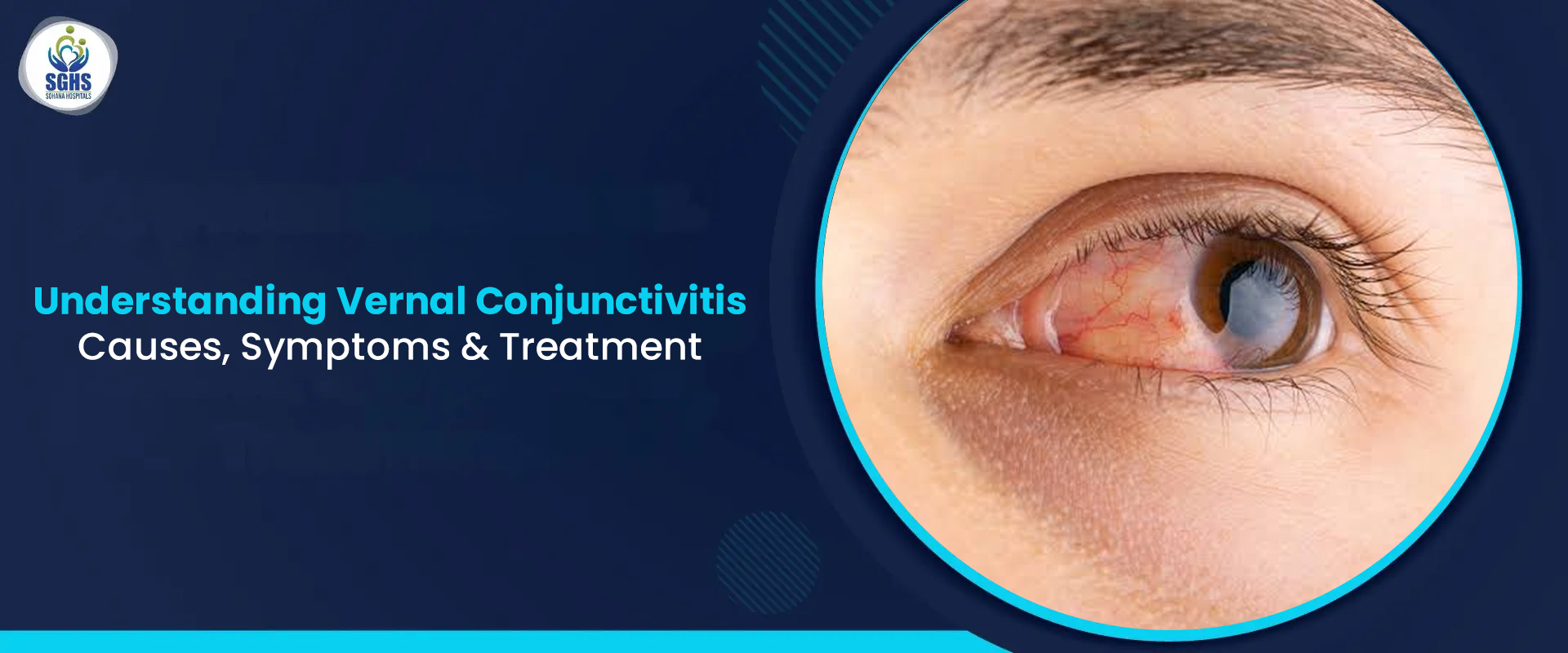
Vernal conjunctivitis is an allergic eye surface condition. It is progressive and long-term in nature. It can lead to vision impairment if not treated in a timely manner. The condition is most commonly diagnosed in children, and it resolves by puberty.
Vernal conjunctivitis is typically found in countries with hot, windy, and humid climates, such as central Africa, India, and Japan, etc. Since the condition is recognised as an age-specific disease, its symptoms start becoming apparent in the first 10 years. These symptoms generally reduce in intensity or resolve by the time the child gets to puberty.
In this blog, we will discuss what the condition entails: its symptoms, causes, and potential treatment options.
Read more on:
ToggleVernal Conjunctivitis: Overview
Vernal conjunctivitis refers to a severe and chronic form of conjunctivitis caused by environmental allergens. It is non-contagious in nature. Flare-ups are more common during warm weather or spring.
Characterised by inflammation of the conjunctiva, vernal conjunctivitis typically affects people hypersensitive to airborne allergens.
| 💡 GOOD TO KNOW: Vernal conjunctivitis is also sometimes referred to as vernal keratoconjunctivitis (VKC) – a more severe form of the condition in which the inflammation spreads to the cornea. |
Plant pollen that blooms during the spring season plays a big role as an allergen, hence the name ‘vernal’, which means ‘spring’.
| 📖 In a study conducted on 8231 participants from rural and urban India, it was found that the prevalence of vernal conjunctivitis in the community is 1.11%. (via NIH)[1] |
Vernal Conjunctivitis Causes
Vernal conjunctivitis is an allergic eye condition – seasonal and long-term in nature. Flare-ups are caused by environmental factors like dust, pollen, and wind. The symptoms generally heighten during spring and summer. The exact cause is unknown, but it is assumed that the condition is associated with an excessive immune response to allergens.
Children and teens, primarily boys between the ages of 5 and 20, are more prone to vernal conjunctivitis. Living in hot and humid areas significantly increases your risk of getting the allergy.
| CONDITION | CAUSES | WHO IS AFFECTED? |
| Vernal Conjunctivitis | Excessive immune response to allergens like dust, wind, pollen, etc | Typically males between the ages of 5 and 20 |
Vernal Conjunctivitis Symptoms
Here are some common signs and symptoms of the condition:
Redness & Itching
These symptoms often get worse during the spring and summer seasons. A red appearance of the eyes, accompanied by a constant sensation of itching, is the most common sign of vernal conjunctivitis.
Tearing or Watery Eyes
Excessive tearing or watering from the eyes is another symptom of the condition. As the eyes’ natural response to the allergy, they produce more fluid. Such symptoms can hamper everyday activities such as driving or reading.
👉 Also read: Watery Eyes: Causes & Treatments
Photophobia or Light Sensitivity
Visual discomfort when faced with bright light is known as light sensitivity or photophobia. Photophobia often leads to squinting and other habits like avoiding direct sunlight, etc.
Mucus or Eye Discharge
You may also notice thick, stringy, yellow, or white discharge from your eyes. It generally collects in the corner of your eyes and may cause temporary blurry or unclear vision.
Eyelid & Conjunctiva Swelling
The eyelids and conjunctivae can swell up and become puffy. The swelling is due to excess fluid (fluid buildup) and inflammation. You may feel slight discomfort and heaviness in your eyes, especially right after waking up.
Vernal Conjunctivitis Treatment Options
Potential treatment options for vernal conjunctivitis include:
- Antihistamine eye drops: Your doctor may prescribe these to help manage the itching and counter the allergic response.
- Steroid eye drops: These are prescribed in severe cases only to help reduce inflammation.
| Note: Steroid eye drops are only administered under close supervision, as they can come with possible side effects such as an increase in eye pressure (IOP or intraocular pressure). |
- Mast cell stabilisers: These may be prescribed to stop the release of histamine. Generally prescribed for long-term use.
| Histamine: Natural chemical released by mast cells in the body as a response to allergens like pollen or dust. This can cause symptoms like itching, watery eyes, etc. |
- Immunomodulators: Prescribed to patients who do not respond to conventional treatments and still experience persistent symptoms.
Home Remedies for Vernal Conjunctivitis Management
Some home remedies and lifestyle changes that you can adopt to reduce discomfort and other symptoms include:
| HOME REMEDY | HOW IT HELPS |
| COLD COMPRESSES | Doing a cold compress regularly for 10-15 minute stretches at a time can help relieve symptoms like itching and inflammation. |
| PROTECTIVE EYEWEAR | Make sure you wear sunglasses when going outdoors to safeguard your eyes from harmful UV rays, dust, wind, etc. This can help minimise irritation caused to the eyes during hot weather. |
| AVOID ALLERGENS | Try to avoid exposure to allergens such as smoke, dust particles, and pollen etc., especially during peak season when symptoms can significantly heighten. |
| PRACTISE GOOD EYE HYGIENE | Refrain from rubbing your eyes. Do not bring your eyes in contact with dirty hands. Make sure you wash your hands properly and frequently to keep infections at bay. |
👉 Also read: Eye Flu: Causes, Symptoms and Treatment Options
Conclusion
Vernal conjunctivitis is a form of seasonal allergic conjunctivitis. While the condition is categorised as chronic and long-term, it is manageable. Awareness of triggers, regular doctor appointments, and following the prescribed treatment are of utmost importance. Following this will help alleviate your symptoms substantially and safeguard you from any long-term complications.
If your child is showing persistent signs of seasonal eye irritation, it’s time to consult a professional. You can schedule an appointment at Sohana Hospital with the best eye specialists in Chandigarh. Advanced diagnostics and modern treatment facilities make the institution one of the best eye hospitals in North India, specialising in an array of eye conditions.
Early diagnosis and proper management strategies can help with a comfortable recovery while protecting vision in the long run.